Getting Started
First 30 Days at a New Boarding Barn: A Survival Guide
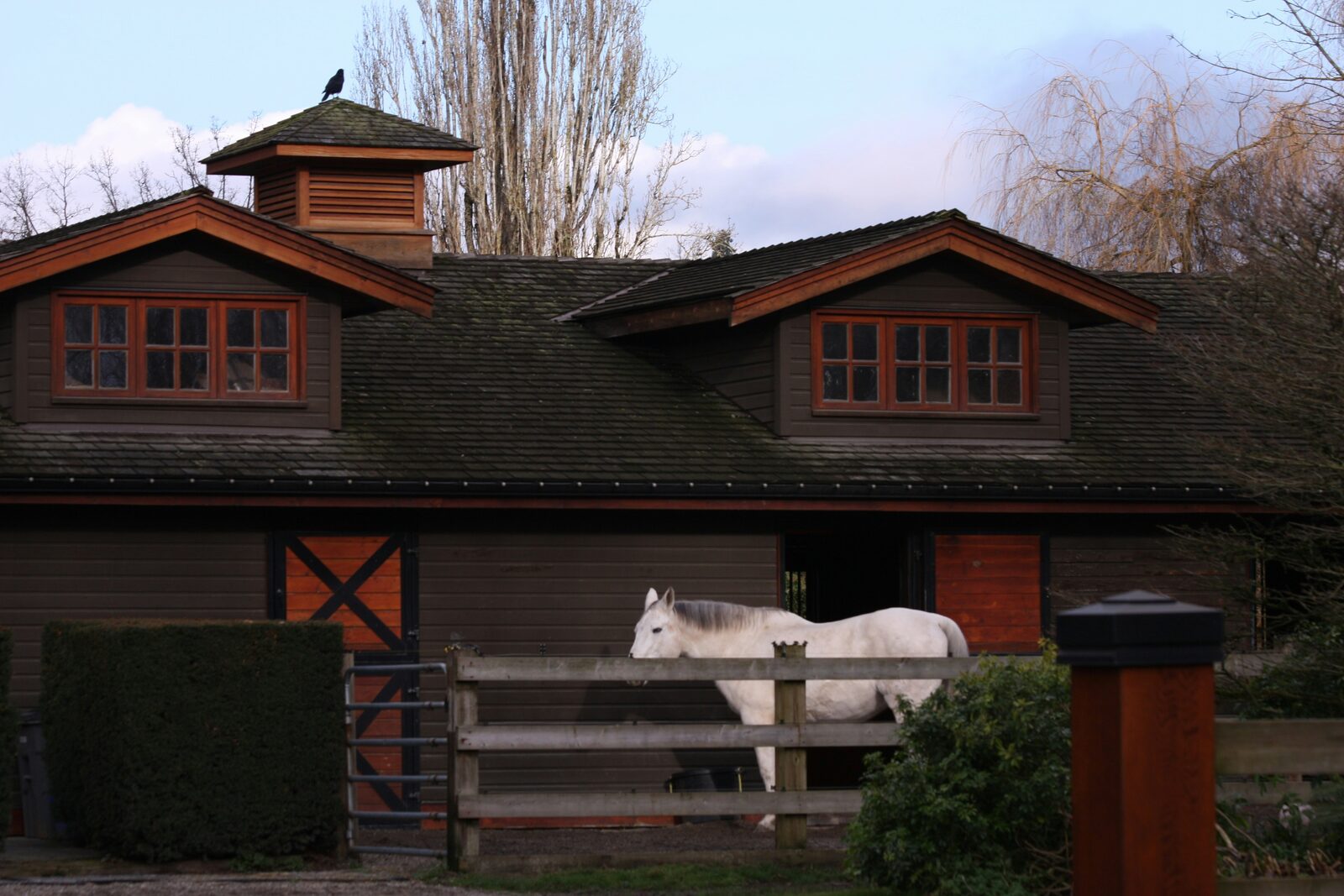
Most horses take 2 to 4 weeks to fully adjust to a new boarding barn: new routine, new herd, and often new feed and hay. Get vaccination records, a Coggins test and farrier contact ready before the move, watch feeding and turnout during the first week to confirm they match what you were told, and expect a gradual herd introduction rather than immediate full turnout with an established group.
Key takeaways
- Most sources put full adjustment at 2 to 4 weeks; some appetite dip or minor pickiness in week one is normal.
- Get vaccination records, a Coggins test and farrier contact information ready before move-in day.
- Confirm feeding and turnout in week one actually match what the barn described on the tour.
- A well-run barn introduces a new horse to the herd gradually, not through immediate full turnout with the group.
- Persistent weight loss, unresolved stress signs, or repeated schedule mismatches past week four are worth a direct conversation with the barn.
Moving a horse to a new barn is a bigger disruption than it looks like from the outside: new routine, new herd, new smells, often new feed. Most of it resolves on its own within a few weeks. Knowing what’s normal adjustment versus what’s a real problem is the difference between staying calm through month one and panicking over something that would have settled anyway.
What Should I Prepare Before Moving My Horse to a New Barn?
Get your paperwork in order first: current vaccination records, a recent Coggins test, and your farrier’s contact information, since most barns want all three before your horse arrives. If your horse is on any medications or supplements, write out the exact schedule and dosage for barn staff rather than explaining it once verbally and hoping it sticks.
What Happens in the First Few Days at a New Barn?
Introduce yourself to the barn staff directly, not just the owner; the people doing daily feeding and turnout are the ones who’ll notice first if something’s off with your horse. Spend time at the barn during normal operating hours if you can, watching the actual routine rather than the version described on the tour. Feeding times, turnout timing, and stall cleaning often look slightly different day to day than what gets described up front.
What’s Normal in Week One at a New Barn?
Expect reduced appetite or minor pickiness: new hay, new water source and new surroundings are common, low-stakes disruptions.
Full adjustment to a new barn typically takes 2 to 4 weeks, though it varies by horse and by how much the routine changed.
Watch turnout and feeding to confirm the schedule matches what you were told. This is the window to flag anything that doesn’t match the contract; better to raise it in week one than after you’ve settled into assuming it’s fine.
How Should Herd Integration Work at a New Barn?
This is usually what owners worry about most, and reasonably so, since herd dynamics involve real risk if handled carelessly. Most well-run barns introduce a new horse gradually: turned out alone or with one calm, established horse first, allowed to meet neighbors over a shared fence line, and only integrated into a full group turnout once initial interactions look settled. Ask your barn’s specific process before move-in day, not after. A barn that turns a new horse out with an established group on day one, with no gradual introduction, is taking on more risk than necessary.
Should I Get to Know Other Boarders and Staff?
Beyond your horse’s adjustment, this is also the point to build a working relationship with the barn manager and other boarders, not just for social reasons, but because they’re your best source of information about how the barn actually runs day to day, beyond what’s in the contract.
What Are Red Flags in the First 30 Days?
Most adjustment stress resolves within 2 to 4 weeks. Past that window, or immediately if any of these show up, it’s worth a closer look:
- Persistent weight loss or appetite refusal beyond the first week or two
- Signs of stress that don’t improve: pacing, calling excessively, poor sleep
- Repeated mismatches between the agreed feeding or turnout schedule and what’s actually happening
- Injuries from herd interactions suggesting integration wasn’t handled carefully
- Staff who are hard to reach or dismissive when you raise a concern
None of these individually means you made the wrong choice; the first month is genuinely an adjustment period, for the horse and for you. A pattern that doesn’t improve by week four is worth a direct conversation with the barn, and worth reconsidering the fit if that conversation doesn’t resolve it.
Frequently asked questions
How long does it take a horse to adjust to a new barn?+
Most sources put full adjustment at around 2 to 4 weeks, though it varies by horse. Normal adjustment stress in week one isn't a sign something is wrong unless it persists well past a month.
How do I introduce my horse to a new herd safely?+
Most barns turn a new horse out alone or with one calm, established horse first, let them meet over a shared fence line, and only integrate into the full herd once interactions look calm. Ask your barn what their process is before move-in.
Read next
Ready to find the right barn?
Browse hundreds of stables across the US, no sign-up required.
Search by city →