Care & Health
A Year in the Life of a Boarded Horse (Seasonal Care Calendar)
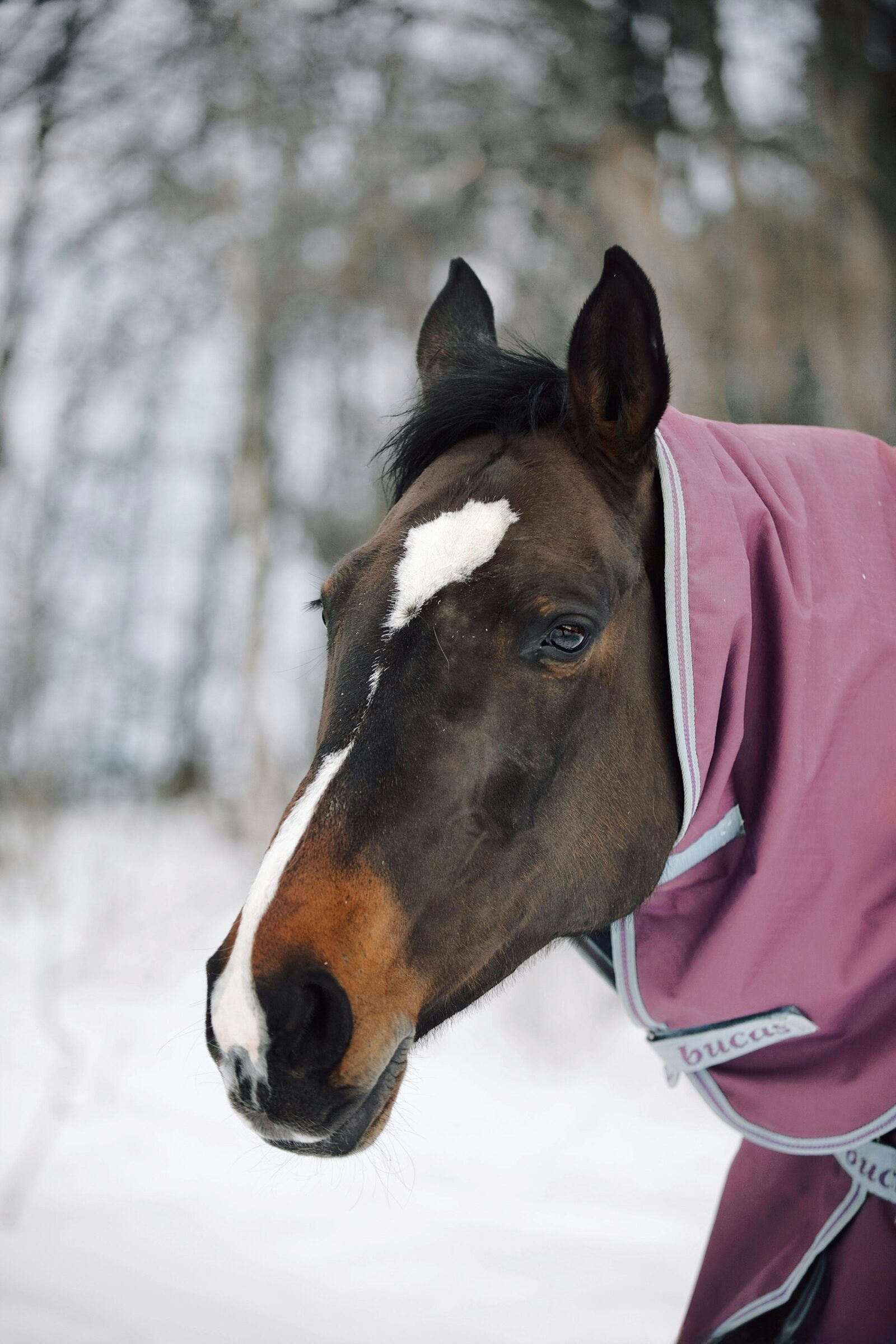
A boarded horse's care needs shift every season: winter brings blanketing decisions, heated water to prevent reduced intake, and more forage for metabolic heat; spring brings core vaccines and gradual pasture reintroduction; summer brings fly control and heat-stress management; fall brings blanket prep and a hay-quality checkpoint as pasture fades. Boarding means the barn handles the daily work, but knowing the calendar means you can ask the right questions each season.
Key takeaways
- Winter: cold water reduces intake and raises impaction colic risk; heated troughs help keep horses drinking normally.
- Spring: core AAEP vaccines (West Nile, EEE/WEE, tetanus, rabies) are commonly scheduled, and spring grass is a real laminitis risk window.
- Summer: high heat-and-humidity conditions raise real risk when riding; watch for excessive sweating or respiration that doesn't recover.
- Fall: cooler nights can spike sugar content in remaining pasture grass, another laminitis risk window for sensitive horses.
- Always confirm current vaccine and deworming guidance directly with your vet rather than relying on a generic calendar.
Boarding doesn’t mean you can stop thinking about seasonal care, it means the barn handles more of the day-to-day work. You should still know what’s supposed to be happening each season so you can ask the right questions.
What Winter Horse Care Should a Boarding Barn Provide?
Blanketing. Whether and when to blanket depends on coat, age, body condition and whether a horse is clipped; there’s no universal temperature cutoff. Ask your barn’s general policy, and give specific guidance if your horse is clipped, senior, or runs cold.
Cold water is less appealing to drink, and reduced water intake raises the risk of impaction colic. Source: University of Minnesota Extension.
Water. University of Minnesota Extension recommends heated water sources through freezing weather specifically to keep intake normal. Ask whether your barn’s troughs are heated.
Forage. Digesting fiber generates metabolic heat, part of why horses often need more hay, not less, in cold weather, a point Kentucky Equine Research and other extension sources make consistently. Confirm your horse’s hay ration isn’t simply staying flat through winter by default.
Hooves. Snow and ice bring snowballing (packed snow building up inside the hoof) and slick footing near gates. If your horse is shod, ask your farrier about winter-specific options like snow pads.
What Spring Horse Care Should a Boarding Barn Provide?
Shedding and grooming. Heavier grooming season, mostly a comfort and coat-health issue, and a good time for a closer once-over for winter-hidden skin issues.
Pasture green-up. Spring grass comes in fast and rich in sugar, a real risk window for laminitis-prone horses. University of Minnesota Extension pasture management guidance generally recommends gradual reintroduction to spring grazing rather than full turnout all at once.
Vaccinations. AAEP core vaccines, West Nile virus, EEE/WEE, tetanus and rabies, are commonly scheduled in spring. Confirm current guidelines and timing with your vet directly.
Deworming. Current AAEP parasite control best practice is a fecal egg count test before deworming rather than a fixed rotational schedule. Ask whether your barn coordinates this or whether it’s on you.
What Summer Horse Care Should a Boarding Barn Provide?
Fly control. Fly sheets, fly spray and masks all help, but barn-level management (manure removal frequency, standing water control) matters just as much.
Hydration and heat stress. University of Minnesota Extension guidance notes real risk from riding in high heat-and-humidity conditions; some extension sources suggest scaling back or stopping riding when the combined index gets high enough. Ask your barn’s policy and watch for excessive sweating, elevated respiration that doesn’t recover, or lethargy.
Sun protection. UV masks and shade access matter more for light-skinned horses, but any horse benefits from shade during peak sun hours.
What Fall Horse Care Should a Boarding Barn Provide?
Blanket prep. Before cold sets in, check that blankets fit, are clean, and any repairs are done.
Hoof transition. Ground conditions swinging between wet and dry through fall can affect hoof moisture balance; keep an eye out with your farrier.
Forage transition. As pasture fades and hay becomes primary forage again, this is a good checkpoint to revisit hay quality. See our hay quality guide for what to look for.
Autumn grass risk. Cooler nights can spike sugar content in remaining pasture grass, another laminitis risk window for metabolically sensitive horses, per Penn State Extension guidance.
Why Track the Seasonal Calendar as a Boarder?
None of this requires you to manage it yourself if you’re boarding full-care, but knowing what should be happening each season means you can ask specific, useful questions instead of a vague “how’s my horse doing,” and catch a gap in care before it becomes a real problem.
Sources: AAEP (vaccination and parasite control guidelines); University of Minnesota Extension; Kentucky Equine Research; Penn State Extension; UC Davis.
Frequently asked questions
When should I start blanketing my horse?+
It depends on coat, body condition, age and whether the horse is clipped; there's no single temperature threshold. Ask your barn's general policy and coordinate directly for a clipped, senior, or cold-running horse.
How much water does a horse need in winter?+
Horses often drink less in cold weather because very cold water is less appealing, which raises impaction colic risk. University of Minnesota Extension recommends heated water sources in freezing climates.
What vaccines does my horse need and when?+
AAEP core vaccines typically include West Nile virus, EEE/WEE, tetanus and rabies, usually given in spring. Confirm the current schedule with your vet directly since guidelines are reviewed and can change.
Ready to find the right barn?
Browse hundreds of stables across the US, no sign-up required.
Search by city →